

rotting flower
Featured in 65 perfumes
Fragrance Note Deep Dive
rotting flower
Origins & Sources
rotting flower is a distinctive fragrance note that plays an important role in perfumery. This note can be derived from natural sources - including specific plants, flowers, woods, resins, or other materials - or created synthetically to replicate or enhance natural scents. Natural rotting flower often provides a more complex and nuanced character, while synthetic versions offer consistency and sustainability. The rotting flower note contributes unique olfactory characteristics to fragrance compositions, influencing how perfumes evolve on the skin.
Characteristics & Usage
rotting flower has unique olfactory characteristics that contribute significantly to fragrance compositions. This note influences the overall scent profile with its own intensity, longevity, and how it interacts with other notes. The rotting flower note can create harmony, contrast, or complexity depending on how it's blended with other ingredients.
In our database, the rotting flower note appears most commonly as a top note, suggesting it has bright, immediate characteristics that create an instant impression. This positioning reflects how perfumers typically use rotting flower to achieve specific effects in their compositions.
Pairs well with
Complementary notes
Thoughtful pairings to explore alongside rotting flower.
Layer bergamot with rotting flower for a rounded accord that feels balanced.
musk adds contrast that lets rotting flower shine without overwhelming.
Blend rotting flower with sandalwood to add depth and keep the drydown interesting.
Top Brands Featuring rotting flower
Showing 1-24 of 65 perfumes
As Top Note
(13)First impression notes that create the initial impact
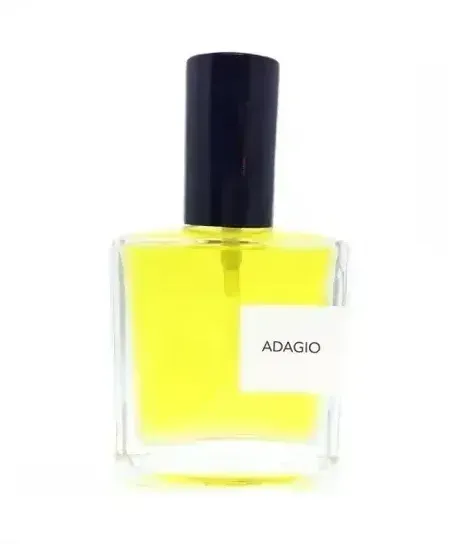
Adagio

Zāy زاي

Mioritic

Alain

Bamboo & Green Tea
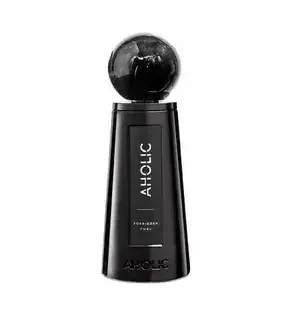
Oriental Orchid Arlyn Eau de Parfum

Collector's Edition

Privato Diavolo

The Secret Flame
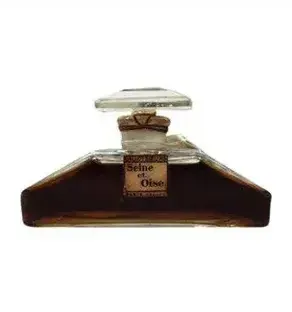
Snowy Peach Berry

Sweet Pea Forever Bath & Body Works Fragrance Mist

Classico Battistoni Après Rasage
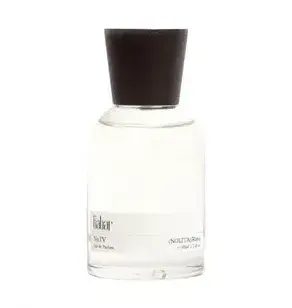
Honey Musk
As Heart Note
(6)Core character notes that define the fragrance

Absolu d'Amour

Blue Wave

Rendez-Vous sur la Seine

Aroma Absolu - Bergamot & Pepper
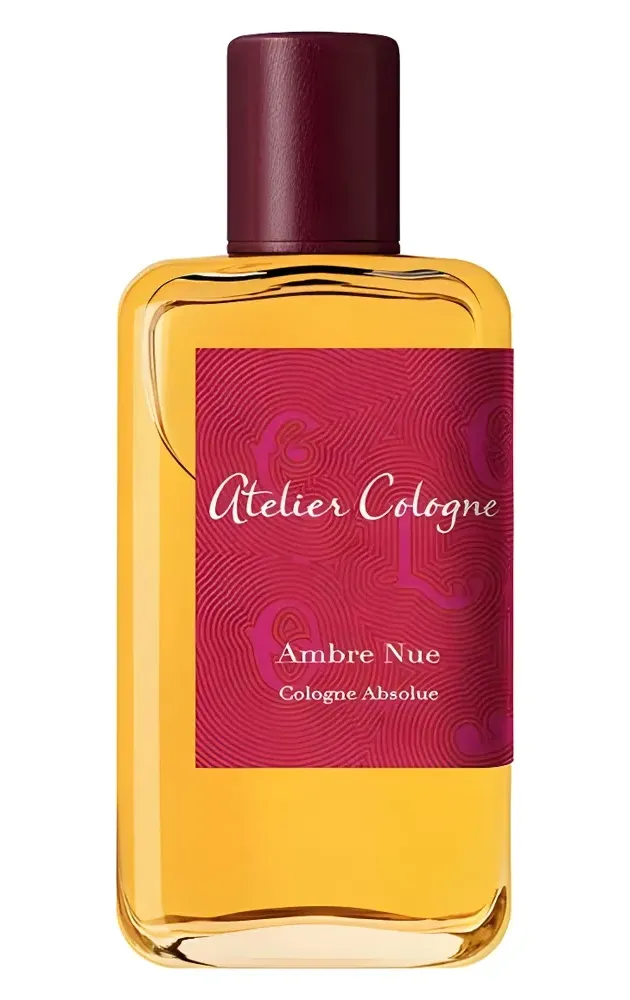
Ambre Nue
United Dreams - Dream Big
As Base Note
(5)Foundation notes that provide lasting depth


Showing 1 to 24 of 65 results